

 See My Latest Article on HelloNation

Residents of Waco, TX often think of chiropractic only as treatment for back pain or a “crick” in the neck. In practice, chiropractic care may be one part of a broader wellness plan that also includes movement, sleep, stress management, nutrition, medical care, and attention to daily habits.
Holistic wellness does not mean treating every health concern with spinal adjustments. It means considering how pain, mobility, work, exercise, sleep, and general health affect one another while choosing care that matches the condition and the available evidence.
What role can chiropractic play in holistic wellness?
Chiropractic care most commonly addresses musculoskeletal concerns, especially low-back pain, neck pain, joint stiffness, and some types of headache. Treatment may include spinal manipulation, mobilization, soft-tissue techniques, movement advice, and exercises.
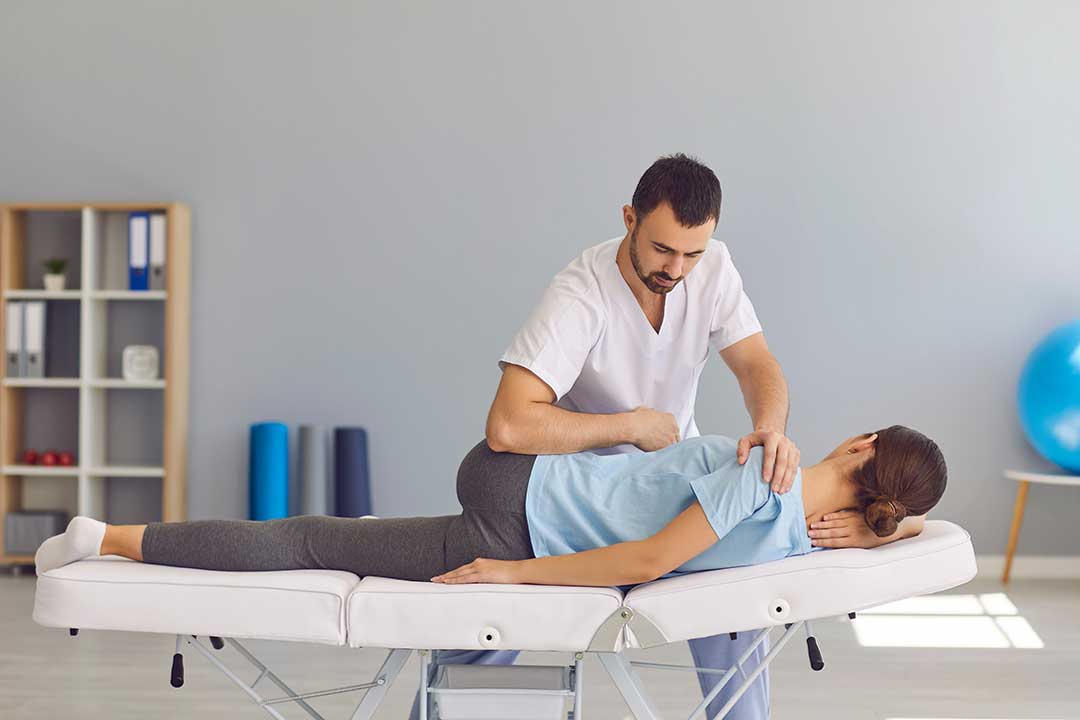
Spinal manipulation uses a controlled force to move a spinal joint. Mobilization uses slower, gentler movement within the joint’s normal range. These approaches are not identical, and a careful evaluation should help determine whether either is appropriate.
Research suggests that spinal manipulation can provide modest improvements in pain and function for some adults with acute or persistent low-back pain. It is one option among several, including exercise, physical therapy, education, medication, and self-management. The World Health Organization includes spinal manipulative therapy as a possible component of care for adults with chronic primary low-back pain, but describes the recommendation as conditional and based on low-certainty evidence. ([nccih.nih.gov](https://www.nccih.nih.gov/health/spinal-manipulation-what-you-need-to-know?6df6a1c6_page=3&85de4c3e_page=2&utm_source=openai))
A holistic approach therefore asks practical questions:
- Can the person walk, work, sleep, or exercise more comfortably?
- Is the treatment helping restore useful movement?
- Are home exercises or activity changes part of the plan?
- Does the person need another type of medical evaluation?
- Is progress being measured rather than assumed?
Which wellness concerns may be related to movement and pain?
Pain often affects more than one body area. A sore back may lead someone to sit more, sleep poorly, avoid exercise, or change the way they lift objects. Those changes can contribute to stiffness and reduced conditioning.
In a hot climate, outdoor activity, yard work, home maintenance, and seasonal changes in exercise routines may also affect the back and joints. Indoor sitting, prolonged driving, and repeated lifting can create similar problems. These patterns do not necessarily mean the spine is “out of alignment.” They may reflect muscle fatigue, reduced strength, joint irritation, poor recovery, or a condition that needs a different form of care.
Chiropractic treatment may support wellness when it helps a person resume ordinary activity safely. That can include walking, gardening, household tasks, recreational exercise, or job-related movement. The goal is usually improved function rather than repeatedly seeking an adjustment without addressing the habits that contribute to symptoms.
Can chiropractic care improve overall health?
Chiropractic care may support overall health indirectly by helping some people move more comfortably and participate in daily activities. Better movement can make it easier to follow an exercise plan, sleep in a comfortable position, or maintain independence.
However, claims that spinal adjustments routinely improve immunity, digestion, blood pressure, organ function, or general health are not established by the evidence used to guide care for common musculoskeletal conditions. Chiropractic should not replace vaccinations, prescribed medication, medical screening, emergency treatment, or evaluation of symptoms unrelated to the muscles and joints.
This distinction is central to informed wellness care: a treatment can be useful for a specific problem without being a universal treatment for the entire body.
What should a whole-person evaluation include?
A responsible evaluation considers the person’s symptoms, medical history, medications, work and activity demands, previous injuries, sleep, and goals. It should also assess whether symptoms suggest a problem outside the scope of routine musculoskeletal care.
A plan may involve:
- Education about posture, lifting, pacing, and symptom management
- Gentle mobility or strengthening exercises
- Advice to avoid prolonged bed rest when movement is safe
- Coordination with a physician, physical therapist, or other licensed clinician when appropriate
- Reassessment if symptoms are not improving
Imaging is not automatically needed for ordinary back pain. It may be considered when the history or examination suggests fracture, infection, cancer, significant nerve involvement, or another condition requiring further investigation.
A useful plan should explain what improvement would look like and when the approach should be reconsidered. If pain, function, or mobility does not improve after a reasonable period, continuing the same treatment indefinitely may not be appropriate. ([mayoclinic.org](https://www.mayoclinic.org/tests-procedures/chiropractic-adjustment/about/pac-20393513?utm_source=openai))
Is chiropractic treatment safe for everyone?
Spinal manipulation is generally considered low risk when performed by a trained, licensed practitioner after an appropriate health assessment. Temporary soreness, stiffness, headache, or fatigue can occur and commonly resolve within a short time. Serious complications are rare, but they have been reported. ([mayoclinic.org](https://www.mayoclinic.org/tests-procedures/chiropractic-adjustment/about/pac-20393513?utm_source=openai))
Extra caution is needed for people with conditions such as severe osteoporosis, certain spinal abnormalities, cancer affecting the spine, significant nerve symptoms, recent trauma, or increased risk of bleeding or vascular injury. Pregnancy, recent surgery, and complex medical conditions also require individualized discussion.
Neck manipulation deserves particular care. Rare artery injuries and stroke have been reported, although research has not established a simple cause-and-effect relationship in every case. Anyone considering neck treatment should be told about possible risks and should report unusual symptoms immediately. ([nccih.nih.gov](https://www.nccih.nih.gov/health/spinal-manipulation-what-you-need-to-know?6df6a1c6_page=3&85de4c3e_page=2&utm_source=openai))
Which symptoms need medical attention first?
Some symptoms should not be managed as routine muscle or joint pain. Prompt medical evaluation is appropriate for:
- New or worsening weakness in an arm or leg
- Loss of bladder or bowel control
- Numbness in the groin or inner thighs
- Severe pain after a fall, crash, or other injury
- Fever, unexplained weight loss, or a history of cancer with new back pain
- Chest pain, shortness of breath, fainting, or severe abdominal pain
- Sudden severe headache, trouble speaking, facial drooping, vision changes, or difficulty walking
After neck manipulation or sudden neck movement, emergency symptoms such as severe headache, dizziness, double vision, weakness, loss of coordination, or trouble speaking require immediate attention.
How can residents make chiropractic part of a balanced wellness plan?
The most practical approach is to view chiropractic care as one possible tool rather than a complete wellness system. Maintain regular physical activity appropriate to current ability, vary sitting and standing positions, build strength gradually, stay hydrated during outdoor activity, and allow enough time for sleep and recovery.
For persistent or recurring pain, keeping a simple record of triggers, activity limits, sleep quality, and changes in symptoms can make treatment decisions more precise. It also helps distinguish short-term relief from meaningful improvement in everyday function.
Holistic wellness is strongest when care remains evidence-informed, coordinated, and focused on the person’s actual goals. Chiropractic may have a useful role for selected musculoskeletal problems, but its value is greatest when it complements—not replaces—exercise, self-care, preventive medicine, and timely evaluation of serious symptoms.