

 See My Latest Article on HelloNation
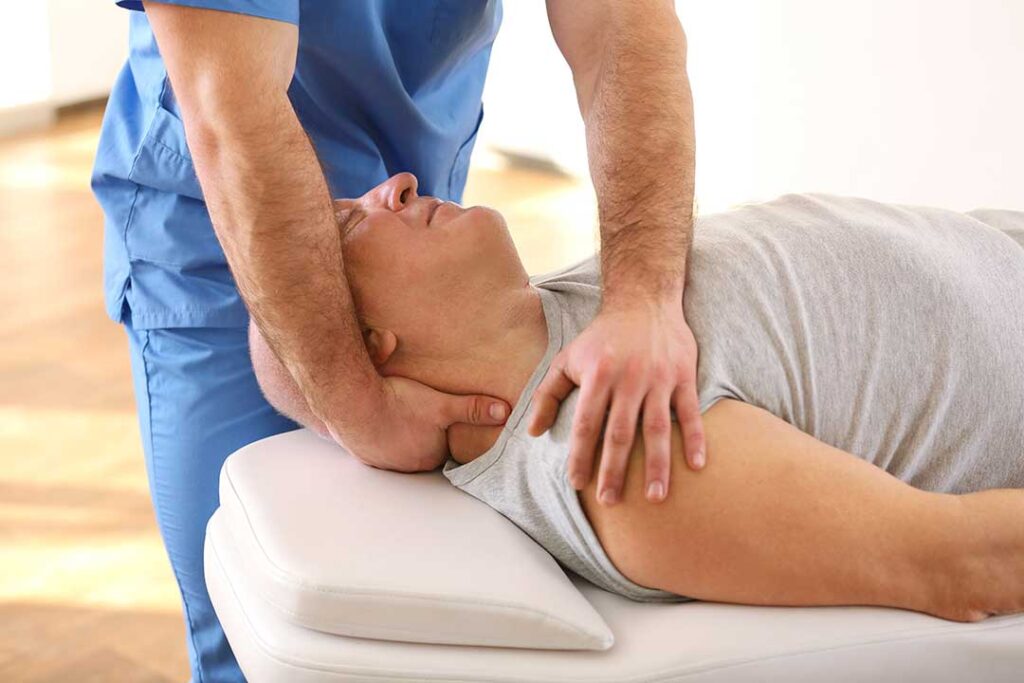
How Does Poor Posture Affect Daily Life?
Poor posture often goes unnoticed in everyday habits, but its effects can gradually disrupt routines and well-being. For many residents in Waco, daily activities such as working from home, using mobile devices, and long commutes can contribute to slouched or unnatural positions. Over time, this can impact not just how a person feels physically, but also their ability to participate in work, family events, and local recreation.
Can Poor Posture Cause Headaches and Neck Pain?
Yes—poor posture is a common contributor to tension headaches and persistent neck pain. When the head juts forward while using a computer or phone, neck muscles work harder to support its weight. The strain compresses nerves and can reduce blood flow, increasing the likelihood of headaches and discomfort that radiate through the shoulders and upper back.
Simple changes—such as aligning ears with shoulders and taking regular breaks while working at a desk—help relieve this tension. In a community where many people spend time indoors during hot summers, making small posture adjustments indoors is often overlooked but effective.
How Does Posture Influence Breathing and Energy Levels?
Slouched posture compresses the chest and diaphragm, limiting the space the lungs have to expand. Reduced lung capacity can lead to shallow breathing, which may make people feel fatigued and less alert. In the heat of a Waco summer, when energy levels already tend to drop, poor breathing can exacerbate that sluggishness and contribute to an overall lack of vitality.
Practicing upright sitting or standing, rolling the shoulders back, and stretching regularly can help restore deeper breathing patterns throughout the day.
Are Back Problems Related to Posture Really Common?
Back pain is one of the most frequent health complaints among area households and is closely connected to posture. Whether sitting on couches, working at desks, or carrying groceries inside, improper posture places extra stress on the spine and lower back muscles. Over months or years, this can flatten the natural curves of the spine, increase risk of disc problems, and contribute to chronic lower back pain.
Awareness of body alignment when lifting, sitting, or even gardening outdoors can help minimize long-term strain.
Can Poor Posture Affect Digestion?
Sitting with a hunched back for long periods can compress abdominal organs, slowing digestion and leading to uncomfortable symptoms like bloating, heartburn, or even constipation. For local families who enjoy traditional meals together, lingering at the table in a slouched position might hinder digestive comfort later.
An upright sitting position—especially after eating—encourages the body’s natural digestive processes and can help prevent issues from developing over time.
Does Posture Impact Mental Health?
Surprisingly, yes. Evidence shows that consistent slouching is associated with increased stress, decreased confidence, and even low mood. Body language connects closely to emotional state; open, upright posture can boost self-esteem and resilience. This is especially meaningful for students and professionals balancing stressful schedules in Waco, where educational and community events often put people in social settings.
Taking a moment to intentionally shift posture in social or professional environments can support a more positive mindset.
What Are Some Signs of Poor Posture People Miss?
Often, subtle symptoms signal that posture could be improved, but they go unnoticed or are dismissed as normal:
- Frequent shoulder or upper back tightness
- Recurring headaches not caused by dehydration or allergies
- A tendency to lean forward or crane the neck while using screens
- Difficulty standing or sitting for more than an hour without discomfort

Recognizing and addressing these small clues can prevent more serious symptoms from developing.
How Can Waco Residents Improve Posture Indoors and Outdoors?
Adopting healthier posture habits is manageable in everyday life:
- When spending time indoors, use chairs with good back support and avoid prolonged slouching on sofas.
- For outdoor activities like walking local trails, focus on aligning shoulders over hips and distributing weight evenly.
- Use reminders—such as sticky notes on the fridge or phone alarms—to check your posture periodically.
- During hot weather, when outdoor work slows down, incorporate gentle stretching at home to counteract any stiffness from air-conditioned environments.
Even minor adjustments, practiced consistently, can help residents support their overall health all year round.