

 See My Latest Article on HelloNation
What Types of Sports Injuries Can Chiropractic Care Address?
Chiropractic care is often used to help people recover from various sports injuries involving muscles, joints, and nerves. Most commonly, individuals in Waco, TX experience strains, sprains, back pain, neck pain, and joint injuries from activities like football, soccer, running, cycling, and recreational fitness. Chiropractors can help evaluate and manage:
- Sprained ankles or wrists from missteps or falls on sports fields or neighborhood courts
- Muscle strains in the back, legs, or shoulders caused by overuse or sudden movement
- Joint pain, especially in the knees, hips, and shoulders—common in both high-impact and repetitive sports
- Minor whiplash or neck stiffness after a collision on a bike or during contact sports
- Chronic tightness or limited motion from long-term athletic participation
Athletes of all ages, from youth leagues to community pick-up games, may find benefit in this approach for functional injuries that do not require surgery.
How Does Chiropractic Care Help the Healing Process?
Chiropractic care can encourage natural healing for many sports injuries by focusing on restoring healthy movement and reducing pain. This usually involves hands-on techniques that:
- Improve joint mobility where tightness or swelling has limited range of motion
- Reduce muscle tension and help relax spasms that develop after a strain
- Address nerve irritation that comes from misalignment or muscle tightness
- Support better alignment of the spine and joints, improving the body’s natural mechanics and lowering chances of future injury
Care typically starts with a thorough assessment, sometimes including discussion of recent sports activity, a physical exam, and non-invasive tests if needed. The chiropractor then develops a plan for hands-on adjustments, soft tissue therapies, exercise recommendations, and guidance to support safe return to activity.
Are Chiropractic Adjustments Safe for Athletes?
In most cases, chiropractic care for sports injuries is considered safe when delivered by a trained and licensed practitioner. The hands-on adjustment techniques are adapted to the athlete’s age, body type, and injury. For young athletes or those recovering from significant trauma, care plans may be gentler and always avoid movements that could aggravate an unstable injury.
Local residents may benefit from knowing:
- Minor soreness after an adjustment is possible, similar to what’s felt after a targeted workout
- Adjustments are not used on broken bones, severe sprains, or injuries requiring emergency care
- Practitioners can refer to medical providers if a condition falls outside the chiropractic scope
What to Expect During and After a Chiropractic Visit
People recovering from sports injuries often want to know what actually happens during a chiropractic session. Typically, a visit includes:
- Detailed questions about how the injury happened and which activities increase symptoms
- A gentle physical exam to identify areas of restriction, swelling, or tenderness
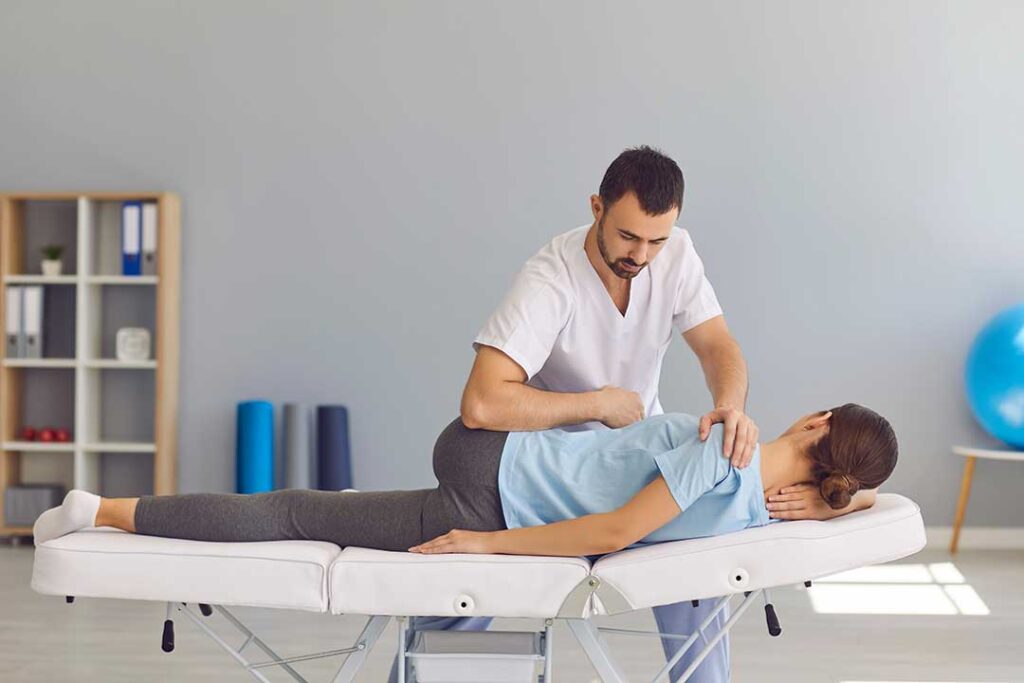
- Targeted adjustments to the spine or other joints, often done on a padded table
- Soft tissue work, such as muscle stretching or massage-like techniques for tight areas
- Education on home exercises, safe stretching, or modification of sports drills
After an appointment, most people can walk out and resume light activity right away. Soreness usually fades within a day. For ongoing symptoms, several visits over a period of weeks may be recommended, combined with rest, ice, or home stretching as needed.
How Soon Should Athletes Return to Sports After Chiropractic Care?
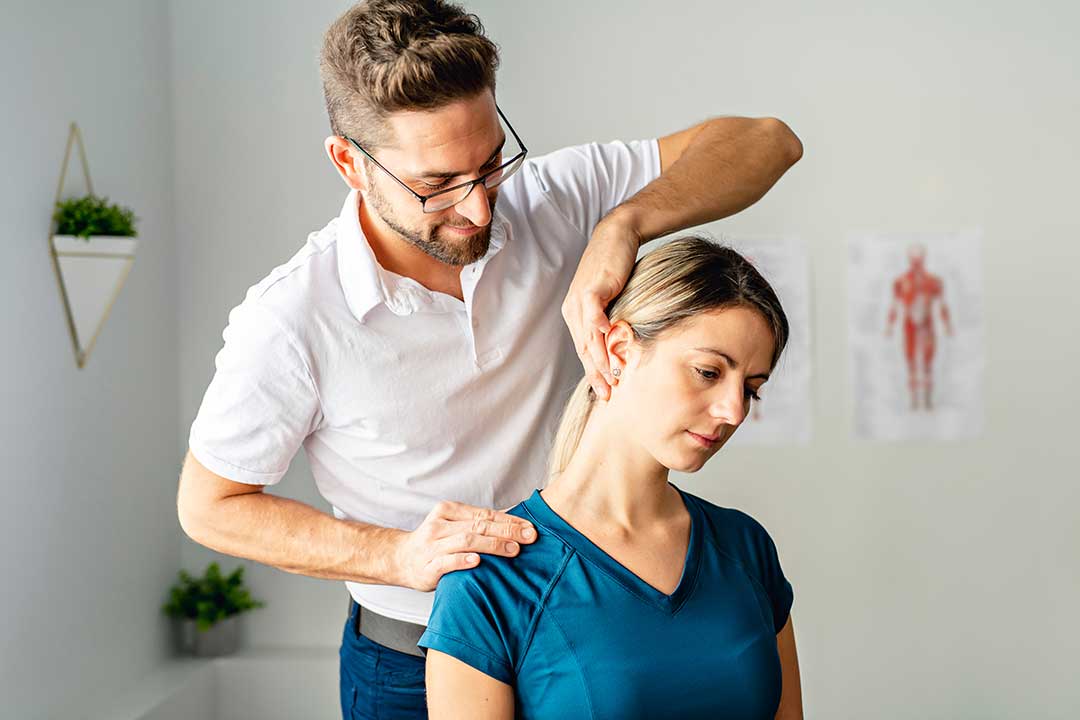
The timeline for safely getting back to sports depends on the severity of the original injury and how each person responds to treatment. Returning too quickly can risk a setback. Chiropractors often work with athletes to build a gradual return-to-play plan, which may include:
- Starting with low-impact movement or light stretching at home
- Progressively adding more challenging drills as pain and stiffness decrease
- Monitoring response after each new activity; if no new soreness develops, intensity can be slowly increased
For minor strains or sprains, many local residents find they can join practices or games again within a week or two. For more significant joint injuries, a longer rehab period may be recommended.
Can Chiropractic Care Help Prevent Sports Injuries?
Athletes use chiropractic care to not only recover from injuries, but also to lower the odds of getting hurt in the first place. Regular visits can help maintain joint mobility, muscle balance, and spinal alignment, all of which are important for active people. Examples of preventative strategies include:
- Pre-season checkups to screen for issues that could worsen with activity
- Functional movement assessments looking for imbalances or limited range of motion
- Advice on warmups, stretching routines, or gear adjustments
Practical self-care, like proper hydration, core strengthening, and cross-training, is always recommended alongside any hands-on treatment.
What Are Some Common Misunderstandings About Chiropractic and Sports Injuries?
Several misconceptions circulate about chiropractic care for athletes. Clearing these up may help local households make more informed choices:
- “Chiropractors only work on the spine.” In reality, they often work with shoulders, elbows, hips, knees, and ankles as well.
- “It’s only for adults.” Youth athletes can benefit, and treatments are adapted for growing bodies.
- “Adjustments are painful.” Most people experience relief or a sense of looseness after care, rather than pain.
Chiropractic care is typically used for ongoing or movement-related pain, not for managing broken bones, deep wounds, or severe swelling—those should be evaluated by a medical doctor.
How Do Local Conditions in Waco, TX Influence Sports Injuries and Care?
Sports injuries in Waco can be shaped by the area’s climate, outdoor sports patterns, and school activities. During hotter months, dehydration and muscle cramps may be more common. Youth leagues and football remain popular, contributing to the types of joint and soft tissue strains seen locally. Community members who train on hard surfaces or in high humidity might be at risk for different overuse injuries than those in cooler, less humid regions.
Awareness of these local factors allows area chiropractors and athletes to tailor prevention and recovery strategies for sports played in and around the city.