

 See My Latest Article on HelloNation

Why Do Joints Make Cracking Sounds?
Joints often make popping or cracking sounds, especially during movement or stretching. The main reason is the release of gas bubbles from the fluid inside your joints. As you move, pressure changes in the joint allow these bubbles to form and collapse, causing that familiar noise.
Occasionally, the noise is caused by tendons snapping over bone, which is also common and usually not harmful. The sound itself isn't usually a sign of anything dangerous, and most people experience it from time to time—often more in periods of activity, like gardening or adjusting positions after sitting for a while.
Is Cracking Your Joints Harmful?
Briefly put, the cracking noise itself rarely signals injury or disease. Decades of research have shown that habitual cracking, for example knuckles or knees, does not cause arthritis or lasting joint damage in healthy adults.
However, some points to remember:
- If cracking is accompanied by pain, swelling, or decreased mobility, it deserves further attention.
- Chronic discomfort, warmth, or changes in joint shape after cracking could be a sign of inflammation or injury needing medical evaluation.
- For people recovering from joint injuries, excessive or forced movement should be avoided until healing occurs.
What Actually Happens Inside the Joint?
When a joint cracks, the joint capsule stretches, causing dissolved gases (mostly nitrogen) in the synovial fluid to form tiny bubbles. As these bubbles collapse, you hear the “pop.” This is a quick, pressure-related event and is not the bones grinding against each other.
Other sources of noise can include:
- Ligaments or tendons moving over bone surfaces, especially in knees, shoulders, or ankles.
- Slight unevenness inside the joint itself, which becomes more common with age or overuse.
Local households—including those who spend time on their feet at local events, enjoying walks along the Brazos River, or doing yard work—may notice increased joint sounds after long days of physical activity. These sounds are often harmless if not linked to discomfort or restriction of movement.
Could Frequent Cracking Be a Problem?
Most regular, painless joint cracking is not linked with any health consequence. For instance, repeated finger, back, or knee cracking is only rarely a cause for concern. However, consistency is key: changes in the noise pattern, onset of pain, or new issues with function may suggest underlying problems.
In a growing city with diverse outdoor activities, active residents sometimes mistake normal cracking for early signs of joint disease. True red flags include:
- Persistent swelling or redness
- Lasting pain during or after joint movement
- Joints that feel unstable or overly loose after making noises
If these occur, it may be appropriate to seek a thorough joint assessment.
Common Myths About Cracking Joints
There are several widely held beliefs in the community about joint sounds:
- “Cracking your knuckles will give you arthritis.” Studies have not found any connection between habitual knuckle cracking and arthritis rates.
- “Cracking always means something is wrong.” Many healthy joints make noise, simply due to the way tissues move.
- “You should never crack your joints.” Mild, painless cracking is usually not dangerous; it becomes concerning only with other symptoms.
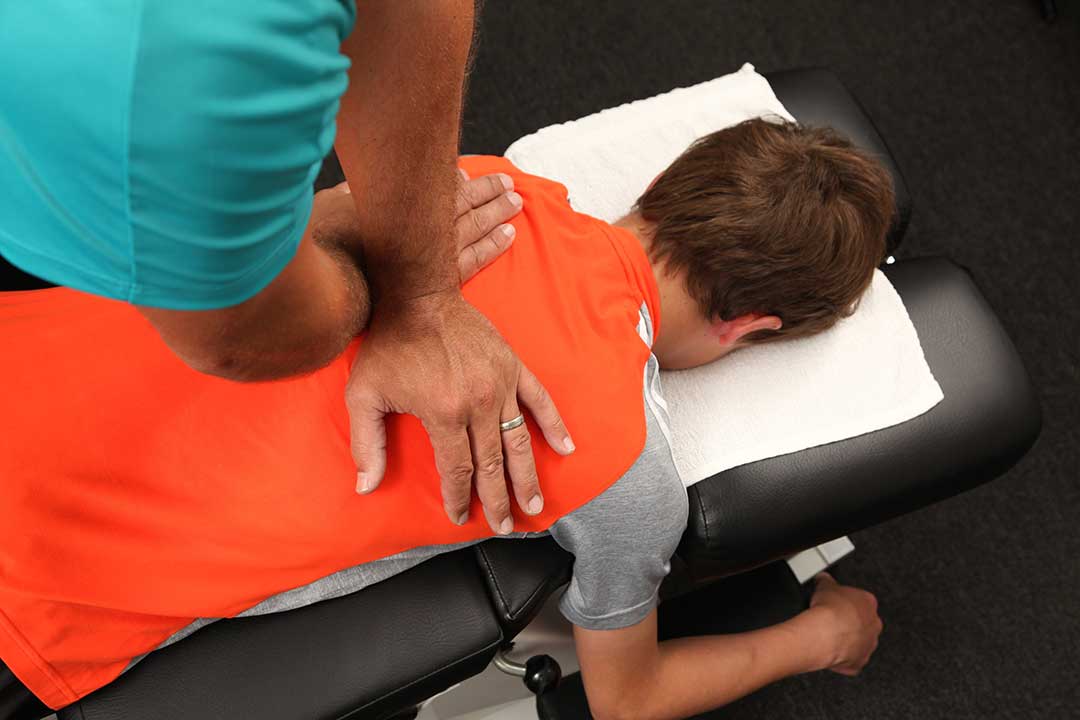
Understanding these realities has helped many residents relax about joint sounds, especially as popping is more likely with age, repetitive motions, or after long periods of stillness (such as working at a computer or driving across the city).
When Should Joint Cracking Be Evaluated?
Sporadic noises without other symptoms are generally harmless. However, see a healthcare provider if joint sounds:
- Are new or have dramatically changed
- Are linked to swelling, redness, or bruising
- Cause the joint to “give out” or lose function
- Cause persistent pain with normal activity
For example, people returning to sports or outdoor recreation after a break sometimes hear more pops and cracks as muscles and joints adjust. If the joint remains strong, stable, and pain-free, these sounds are typically not a sign of harm.
Everyday Tips for Joint Health
Comfortable joint movement comes from strong muscles, flexible tendons, and healthy joint surfaces. Residents in Waco may support their joints by:
- Using gentle stretching routines, especially during seasonal temperature shifts
- Balancing time spent sitting with periods of light movement
- Wearing supportive footwear, especially on harder surfaces
Staying active in local parks or community centers can help keep joints moving smoothly. For most people, ignoring harmless popping and focusing on mobility and comfort is the best approach.