

 See My Latest Article on HelloNation
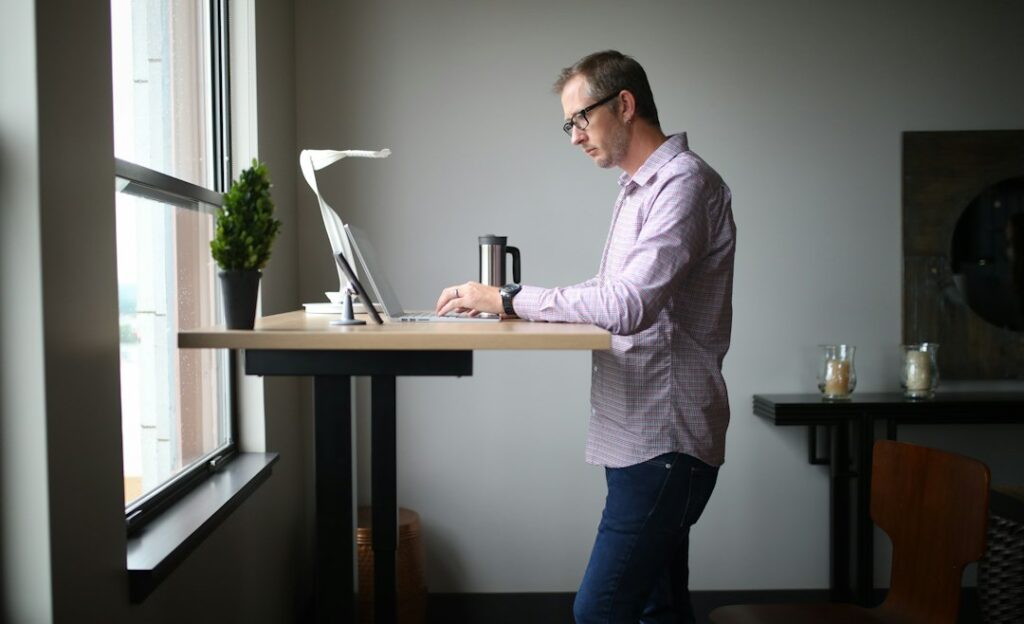
Staying physically comfortable throughout the day does not require an intense workout routine. For residents of Waco, TX, healthy movement often comes from simple choices: changing positions regularly, walking in short intervals, using supportive body mechanics, and paying attention to early signs of strain.
The goal is not perfect posture or constant activity. It is to avoid staying in one position for too long and to help the joints, muscles, and spine share the demands of daily life.
How much movement is needed during a typical day?
Most adults benefit from moving briefly and regularly rather than remaining seated for several hours and trying to compensate later. A few minutes of walking, stretching, standing, or changing position every 30 to 60 minutes can reduce stiffness and make daily activities feel easier.
Movement can include:
- Walking around the home or workplace
- Standing during a phone conversation
- Performing gentle shoulder rolls or ankle movements
- Taking the longer route through a building
- Doing light household tasks
- Stretching after driving or computer work
These short periods do not replace regular exercise, but they help prevent the physical effects of prolonged sitting, standing, or repetitive activity.
Why does changing position matter?
The body is designed to move through many positions. Holding any one position for too long can place steady stress on certain tissues, even if the position initially feels comfortable.
Sitting for extended periods may contribute to tight hip muscles, reduced movement in the upper back, and fatigue in the neck and shoulders. Standing in one place can lead to soreness in the feet, legs, lower back, or hips. Repetitive tasks may overwork the same muscles while others remain relatively inactive.
A useful habit is to think in terms of position variety:
- Sit with both feet supported, then stand and walk briefly.
- If standing for long periods, shift weight between both feet and take short walking breaks.
- After driving, walk for a minute or two before lifting, bending, or rushing into the next task.
- During desk work, alternate between focused work, visual breaks, and movement.
There is no single perfect posture that needs to be maintained all day. A comfortable posture that changes regularly is usually more practical than trying to hold a rigid position.
What is a healthy desk setup?
A desk setup should allow the head, neck, arms, hips, and feet to remain reasonably supported. The arrangement does not need to be expensive or elaborate.
Helpful adjustments include:
- Keeping the top of a computer screen near eye level
- Positioning the screen directly in front of the body
- Letting the shoulders relax instead of lifting toward the ears
- Keeping elbows close to the sides while typing
- Supporting the lower back with the chair or a small cushion
- Placing both feet on the floor or on a stable footrest
- Keeping frequently used objects within easy reach
Even a well-arranged workstation can become uncomfortable if it is used without breaks. A timer, calendar reminder, or natural transition between tasks can help prompt movement before stiffness develops.
For people working from home, it can help to avoid spending the entire day on a couch or bed with a laptop. A stable surface and adjustable chair usually provide better support. Natural light and periodic movement can also make it easier to maintain energy during long work periods.
How can driving and commuting be easier on the body?
Long drives can create stiffness because the hips, knees, and spine remain in a limited range of motion. Before starting, adjust the seat so the pedals are easy to reach without fully locking the knees. The backrest should support the body without forcing the head forward.
During longer trips, stop periodically to walk and change position. After arriving, avoid immediately lifting heavy objects or bending repeatedly if the body feels stiff. A short walk and a few gentle movements can help restore normal mobility.
Common signs that a driving position needs adjustment include:
- Numbness or tingling in the legs
- Persistent shoulder tension
- Neck discomfort that increases during the drive
- Difficulty getting out of the vehicle
- Aching that improves soon after standing or walking

What movement habits help during household tasks?
Household activities often involve bending, reaching, carrying, kneeling, and twisting. Safer movement comes from using the legs and hips when possible and keeping loads close to the body.
When lifting an object, move close to it, place the feet in a stable position, and bend through the hips and knees. Keep the item near the torso and turn by moving the feet rather than twisting the spine while carrying it.
For repeated chores:
- Break large tasks into shorter sessions.
- Alternate between activities that use different muscle groups.
- Use a step stool instead of reaching overhead from an unstable surface.
- Push or slide manageable objects rather than lifting them unnecessarily.
- Keep commonly used household items between knee and shoulder height when possible.
Seasonal heat can also influence movement habits. During warmer months, outdoor walking, yard work, and home maintenance may be more comfortable during cooler parts of the day. Drink water regularly and take breaks before fatigue causes movement patterns to become careless.
How can residents stay active during hot or stormy weather?
Weather does not have to eliminate movement, but it may require flexibility. On hot days, indoor walking, gentle mobility exercises, stair use, or brief activity breaks can be practical alternatives to midday outdoor exercise.
When weather limits outdoor activity, consider short indoor sessions such as:
- Five minutes of walking through the home
- Gentle marching in place while holding a stable surface if needed
- Repeated sit-to-stand movements from a sturdy chair
- Light stretching for the calves, hips, chest, and upper back
- Easy household tasks performed with regular position changes
Movement should remain controlled and comfortable. Sweating is not the only measure of useful activity, and forcing intense exercise in uncomfortable conditions can increase fatigue.
Should stretching hurt?
Gentle stretching may create mild tension, but it should not cause sharp pain, electric sensations, joint catching, or increasing numbness. Slow breathing and relaxed movement are generally more useful than forcing a joint into a deeper position.
Before activity, gentle movement is often preferable to aggressive static stretching. Walking slowly, moving the arms, or practicing controlled joint movements can prepare the body for more demanding tasks.
After activity, light stretching may help the body transition back to rest. If a movement consistently produces pain rather than mild tension, reduce the range, stop the exercise, and reconsider whether that activity is appropriate.
When is discomfort a warning sign?
Mild stiffness that improves with gradual movement is common. Symptoms deserve more attention when they are severe, persistent, worsening, or associated with other changes.
Prompt medical evaluation is appropriate for pain accompanied by significant weakness, loss of coordination, unexplained fever, major swelling, a serious fall or collision, or new problems with bladder or bowel control. Numbness that spreads or rapidly worsens also should not be ignored.
For everyday aches, tracking when symptoms appear can be useful. Note the activity, duration, position, intensity, and what makes the discomfort better or worse. This information can help identify whether the main issue is prolonged sitting, repetitive work, poor lifting technique, insufficient recovery, or another factor.
Healthy movement is built from frequent, manageable choices. Changing positions, walking briefly, using stable body mechanics, and respecting warning signs can help local residents stay more comfortable through work, driving, household responsibilities, and seasonal activities.